Maintenance vs Upgrades
What are buyers willing to pay for when purchasing a home?
Property upkeep falls into two categories: essential maintenance and cosmetic maintenance.
Essential maintenance protects a sale price. Cosmetic maintenance makes the right first impression.They both matter when selling a home at its asking price. Only a small set of upgrades recoup their investment. Knowing which category your home improvements fall into will help you invest your money wisely.
Essential Maintenance
Essential maintenance covers the fundamentals that keep a property safe, structurally sound, and functional. These are the baseline a buyer expects, not a premium a buyer pays for:
Roofing: Keeping the roof watertight, repairing or replacing it when necessary.
Structure: Addressing foundation and structural issues immediately.
Drainage: Ensuring proper grading and drainage around the home.
Gutters: Keeping gutters and downspouts clean and functioning properly.
Exterior: Maintaining exterior siding, stucco, brick, and trim.
Openings: Ensuring windows and exterior doors are sealed and functioning.
Plumbing: Maintaining lines and repairing leaks immediately.
Electrical: Upgrading outdated systems and repairing failed components.
HVAC: Servicing or replacing furnaces, boilers, and AC units when necessary.
Utilities: Maintaining or replacing water heaters as they age.
Insulation: Repairing or adding insulation where it is deficient.
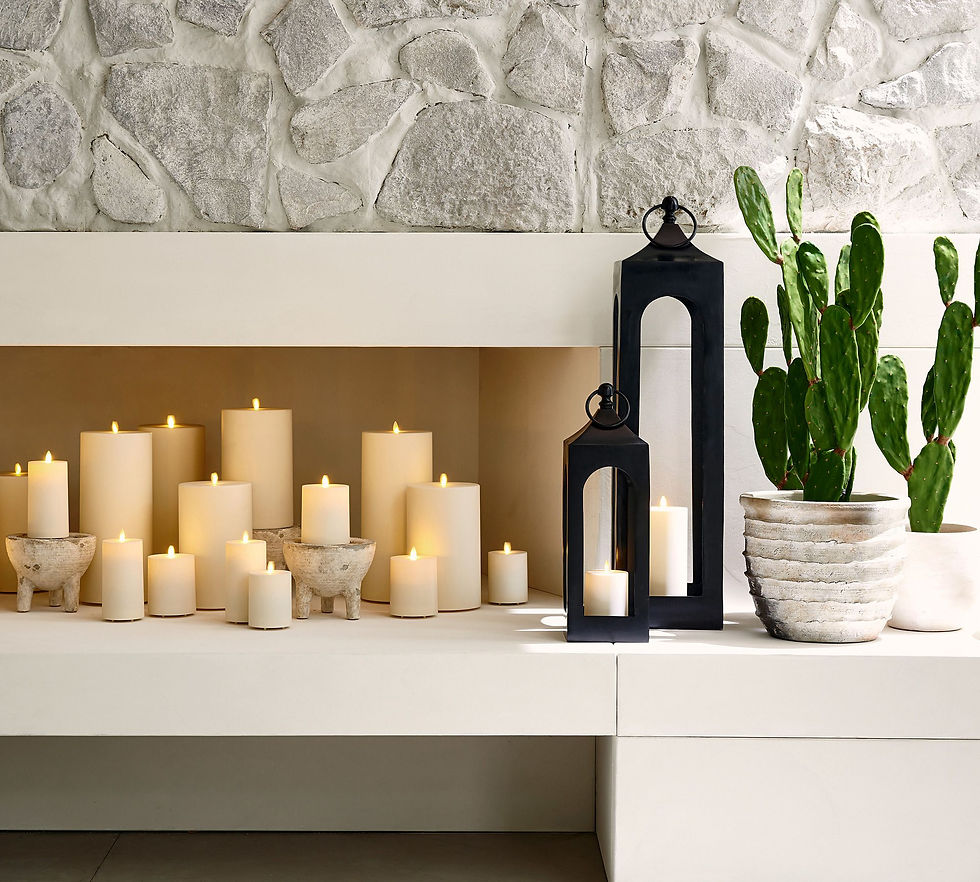
Masonry: Keeping the chimney and fireplace maintained and safe.
Surrounds: Maintaining decks, fences, and retaining walls.
Access: Repairing and maintaining driveways and walkways.
Cosmetic Maintenance
Cosmetic maintenance covers the visual elements that keep a home clean, updated, and enjoyable. Buyers notice these details first, and they remain routine upkeep rather than value creators:
Appliances: Keeping appliances clean and in good working order.
Flooring: Cleaning, maintaining, and replacing flooring when worn out.
Carpeting: Deep cleaning or replacing stained, worn, or aged carpets.
Walls: Keeping walls and ceilings patched and painted as needed.
Trim: Maintaining and painting interior trim, doors, and baseboards.
Cabinetry: Refinishing or maintaining cabinets when necessary.
Counters: Maintaining and repairing countertops to prevent damage.
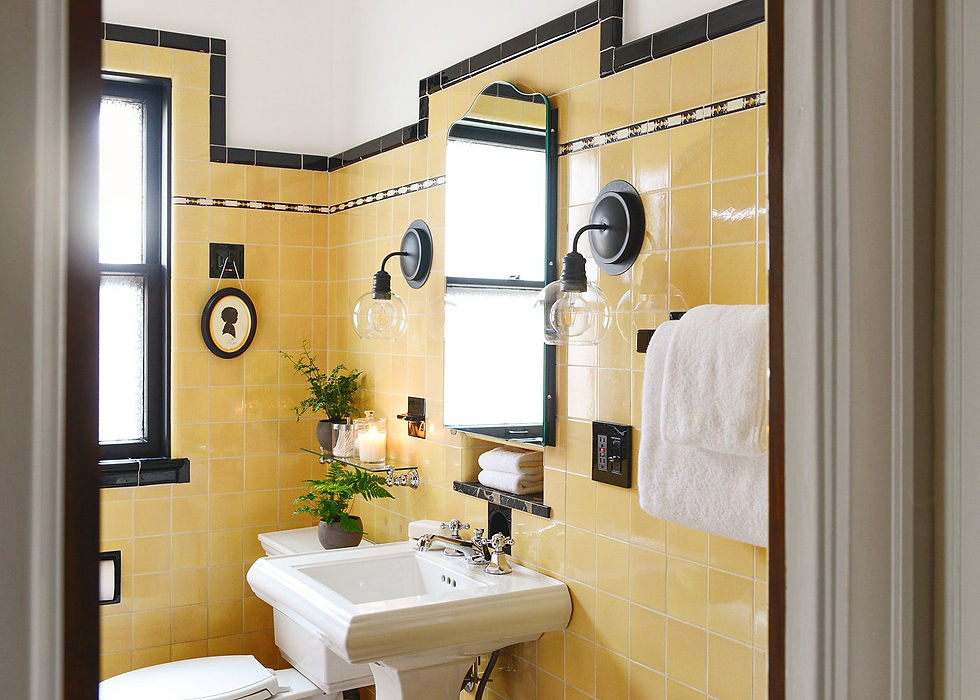
Sealing: Replacing caulking around tubs, showers, sinks, and counters.
Grout: Cleaning and repairing tile grout when necessary.
Fixtures: Replacing outdated or non-functioning light fixtures.
Windows: Replacing worn or broken blinds, shades, and window coverings.
Yard: Maintaining landscaping, managing weeds, and keeping gardens tidy.
Lawn: Mowing lawns and trimming overgrown trees or shrubs.
Cleanliness: Pressure washing exterior surfaces and siding.
Finishes: Removing outdated, damaged, or unsightly cosmetic finishes.
Upgrades That Move the Number
Essential maintenance and cosmetic maintenance are routine projects to keep your home looking and feeling great. The upgrades listed below are ones that can be considered over and above maintenance:
Architectural restoration: 120% or more of estimated costs recovered
Professional landscaping: 100% estimated costs recovered
Closet renovations: 83% estimated costs recovered
Garage storage systems: 82% estimated costs recovered
Improving energy efficiency: 75% estimated costs recovered
Vinyl window replacements: 74% estimated costs recovered
Wood window replacements: 71% estimated costs recovered
Small kitchen or bath renovations: 60% estimated costs recovered
Large kitchen or bath renovations: 50% estimated costs recovered
Buyers always respond well to a home where pride of ownership is evident. Structural certainty sells a home more reliably than a trendy "wow" factor. When choosing between routine maintenance vs upgrades, maintenance will always be a better investment.
Navigating the Market
The best strategy when buying a home is to work with what the house already offers. Most people live in a home for approximately 8 to 12 years. A sharp investor treats this temporary purchase accordingly, balancing personal preference against resale value during negotiations.
Reach out to Magnolia Group for a market evaluation that separates what your home cost from what it is worth, backed by the marketing strategy to prove that number to the next buyer.